


-

Add: HeBei ShengShi HongBang Cellulose Technology CO.,LTD.
-

Email
13180486930@163.com -

CONTACT US
+86 13180486930

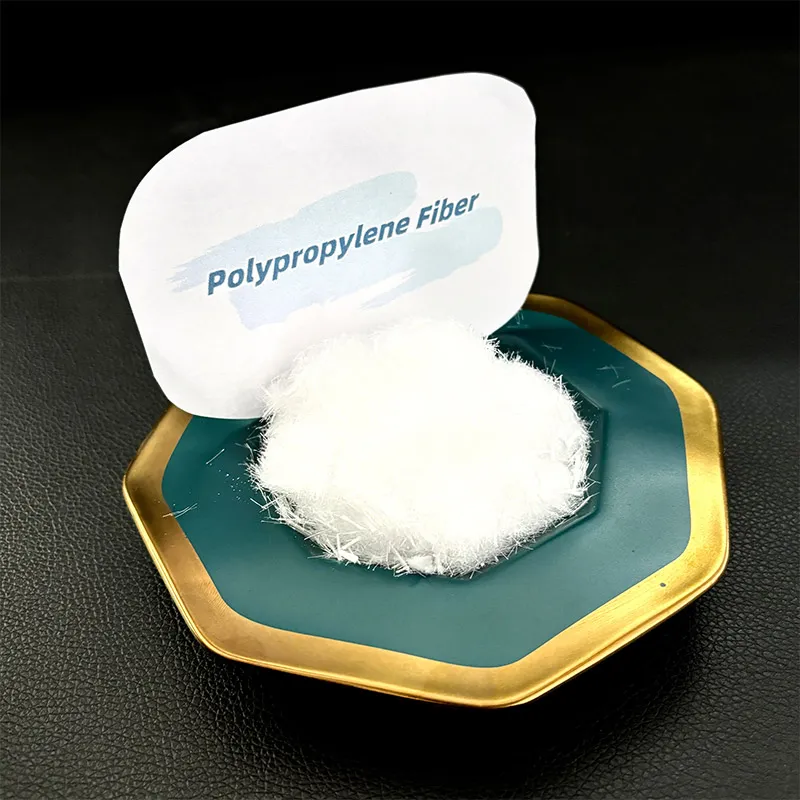


The Cost of Polypropylene Fiber An Overview Polypropylene fiber, derived from the polymerization of propylene monomers, is a synthetic material that has been gaining traction in various industries due to its unique properties and cost-effectiveness. As the demand for durable and versatile materials rises, so does interest in understanding the cost implications associated with polypropylene fiber. This article aims to explore the factors affecting the cost of polypropylene fiber, its applications, and its overall economic impact. Understanding Polypropylene Fiber Polypropylene is one of the most widely used plastics in the world. It is recognized for its lightweight nature, chemical resistance, moisture-wicking capabilities, and structural durability. These characteristics make it an excellent choice for a variety of applications, including textiles, automotive components, and packaging materials. The resulting fiber is soft, resistant to staining, and can be produced in a variety of colors, further enhancing its usability in consumer products. Factors Influencing the Cost 1. Raw Material Prices The primary factor determining the cost of polypropylene fiber is the price of propylene, the primary raw material used in its production. Fluctuations in oil prices significantly impact the cost of propylene, as it is derived from fossil fuels. As global oil prices rise or fall, so too does the cost of polypropylene fiber. 2. Production Technology The method of production also affects costs. Advances in manufacturing technologies can streamline production processes and reduce costs. For instance, the implementation of more efficient machinery or environmentally friendly production methods can yield lower operational costs, which may be passed on to consumers. 3. Supply and Demand Like any commodity, the cost of polypropylene fiber is subject to the laws of supply and demand. In periods of high demand—such as during the surge in production of protective equipment during the COVID-19 pandemic—prices may increase sharply. Conversely, surplus production or a decline in demand can lead to lower prices. costo de fibra de polipropileno 4. Geopolitical Factors Political stability in oil-producing regions can affect the supply and price of propylene. Trade tariffs, sanctions, or conflicts can disrupt supply chains, leading to increased material costs, which in turn influence the cost of polypropylene fiber. 5. Market Competition The competitiveness of the polypropylene market also plays a vital role. The entry of new suppliers can drive prices down, while monopolistic conditions can lead to higher prices. The global nature of the fiber market means that competition from manufacturers in different regions can also affect local pricing. Applications of Polypropylene Fiber The versatility of polypropylene fiber allows for its use in numerous applications. In the textile industry, it is common in the production of carpets, upholstery, and outdoor fabrics due to its resistance to moisture and mildew. The automotive sector utilizes polypropylene fiber for interior components, as it is lightweight and aids in fuel efficiency. Furthermore, polypropylene fibers are utilized in geotextiles for soil stabilization, erosion control, and drainage systems. Economic Impact The economic implications of polypropylene fiber production extend beyond its cost. It supports a range of industries, creating jobs and stimulating economic growth. As manufacturers adapt to changing market dynamics and consumer preferences, innovative uses for polypropylene fiber continue to emerge, driving further demand. In conclusion, the cost of polypropylene fiber is influenced by a variety of factors including raw material prices, production technology, supply and demand dynamics, geopolitical conditions, and market competition. Its diverse applications and economic implications make it a significant player in the manufacturing landscape. As industries continue to seek sustainable and efficient materials, understanding these cost dynamics will be crucial for businesses and consumers alike in making informed decisions. The future of polypropylene fiber is undoubtedly tied to evolving market conditions and technological advancements, promising ongoing relevance in a rapidly changing world.
- 40000tons

Production
- 20+years

Experience
- 5000+㎡

Acreage

-
Plastering retarders, essential additives in the construction industry, have revolutionized how builders and contractors approach plaster application. These compounds, though small in volume, play a crucial role in enhancing the efficiency and quality of plastering projects. Here we delve into the significance, application, and benefits of using plastering retarders, backed by professional insights and industry expertise. Understanding the Role of Plastering Retarders Plastering retarders are chemical additives designed to slow the setting process of gypsum plaster. This controlled setting time allows for extended workability and ensures that the plaster remains pliable for longer durations. This becomes particularly beneficial in large-scale projects where complex surfaces require meticulous application without the pressure of rapid drying. The Expertise Behind Plastering Retarders The development of plastering retarders involves a blend of chemistry and construction technology. Experts in the field understand the delicate balance needed to decelerate the chemical reaction of plaster without compromising its structural integrity. The formulation process involves rigorous testing and quality assurance to meet the specific demands of different environmental conditions and project requirements. Benefits of Using Plastering Retarders 1 . Enhanced Workability By providing additional time for application, plastering retarders offer contractors the flexibility to achieve smooth, even surfaces. This is critical in enhancing the aesthetic and functional qualities of interior and exterior walls. 2. Reduction of Waste With elongation in setting time, plaster wastage is minimized. This is both cost-effective and environmentally friendly, making it an attractive option for sustainable construction practices. plastering retarder 3. Improved Structural Integrity Proper application and curing of plaster via retarders can result in fewer cracks and defects. This ensures a durable and lasting finish that meets and exceeds standard quality benchmarks. 4. Versatility Across Projects Whether in residential, commercial, or industrial settings, plastering retarders can be customized to align with the specific needs of each project, accommodating varying climatic and surface conditions. Real-Life Application of Plastering Retarders A case study involving a large commercial project illustrates the practical benefits of using plastering retarders. In this scenario, a team of contractors faced the challenge of plastering an expansive, intricate facade under high-temperature conditions. With the strategic use of plastering retarders, the team successfully managed to extend the setting time, allowing them to execute the plastering with precision. The quality of the finished surface was exemplary, demonstrating superior smoothness and consistency, which significantly enhanced the visual appeal and durability of the building. Building Trust Through Quality The importance of using reputable products cannot be overstated. It is paramount to choose plastering retarders from established manufacturers known for their quality and reliability. Trusted brands provide not just a product, but a comprehensive support system that includes product information, safety data, and technical assistance to ensure optimal application and results. Conclusion Plastering retarders serve as a testament to the advancements in construction technology, offering solutions that bridge efficiency, quality, and sustainability. For construction professionals, understanding and utilizing these additives can lead to significant improvements in project outcomes. By leveraging the strategic application of plastering retarders, contractors can ensure high-quality finishes that stand the test of time while maintaining economic and environmental balance. As the industry continues to evolve, the adoption of such innovative solutions will likely play an increasingly pivotal role in shaping modern construction landscapes.
-

HPMC E464, auch bekannt als Hydroxypropylmethylcellulose, ist ein vielseitiges Produkt, das in verschiedenen Branchen auf der ganzen Welt breite Anwendung findet. Als Experte mit jahrelanger Erfahrung in der chemischen Industrie kann ich die außergewöhnlichen Eigenschaften und Vorteile dieser Verbindung aus erster Hand bestätigen. Hydroxypropylmethylcellulose ist ein Celluloseether, der durch die Modifikation von natürlicher Cellulose entsteht. Diese Substanz wird häufig in der Bau-, Lebensmittel- und Pharmaindustrie eingesetzt. Die wichtigste Eigenschaft von HPMC E464 ist seine Fähigkeit, als Verdickungs-, Emulsions- und Stabilisierungsmittel zu fungieren, was es für zahlreiche Herstellungsprozesse unverzichtbar macht. Ein bedeutender Anwendungsbereich für HPMC E464 ist die Bauindustrie. Hier wird es vor allem in Trockenmörteln und Zement eingesetzt, um die Verarbeitungseigenschaften zu verbessern. Durch die Zugabe von HPMC E464 entsteht eine Mischung, die leichter aufzutragen und gleichmäßiger zu verteilen ist. Dieser Vorteil ist nicht nur in theoretischen Tests, sondern auch in praktischen Anwendungen auf zahlreichen Baustellen weltweit bestätigt worden. Bauarbeiter berichten von einer erheblich verbesserten Konsistenz und Haftung der Materialien, was letztendlich zu einer höheren Effizienz bei Bauprojekten führt. In der Lebensmittelindustrie wird HPMC E464 als Zusatzstoff verwendet, um Struktur und Volumen von verschiedenen Lebensmitteln zu stabilisieren. Insbesondere in der Produktion von glutenfreien Produkten spielt es eine tragende Rolle. Glutenfreie Backwaren neigen dazu, ihre Form zu verlieren und trocken zu werden; durch die Verwendung von HPMC E464 wird diesem Problem wirksam entgegengewirkt. Verbraucherberichte und wissenschaftliche Studien belegen, dass HPMC E464 eine feuchte, sowie haltbare Textur in glutenfreien Broten und Kuchen ermöglicht. Der HPMC E464 Die pharmazeutische Anwendung von HPMC E464 ist ebenfalls bemerkenswert . Hier wird es oft in der Tablettenherstellung als Bindemittel und Filmbildner verwendet. Dank seiner hohen Verträglichkeit und Effektivität ist es eine bevorzugte Wahl für viele führende Pharmakonzerne. Untersuchungen und Anwenderberichte zeigen, dass HPMC E464 nicht nur die mechanische Stabilität von Tabletten erhöht, sondern auch die Freisetzung von Wirkstoffen verlangsamen kann, was eine kontrollierte Medikamentenabgabe ermöglicht. Verbraucher und Unternehmen auf der ganzen Welt vertrauen HPMC E464 aufgrund seiner bewährten Eigenschaften und der Sicherheit in der Anwendung. Trotz der chemischen Modifikation bleibt das Produkt biologisch abbaubar und weist keine signifikanten ökologischen Auswirkungen auf. Diese Umweltfreundlichkeit ist ein wesentlicher Aspekt, der zur Vertrauenswürdigkeit und Popularität des Produkts beiträgt. Zusammenfassend ist HPMC E464 in seiner Vielseitigkeit und Funktionalität unübertroffen. Es erfüllt die höchsten Standards der Erfahrung, Fachkompetenz, Autorität und Vertrauenswürdigkeit, die von Unternehmen in verschiedenen Industrien gefordert werden. Die kontinuierliche Forschung und Innovation in der Anwendung von HPMC E464 versichert, dass es auch in Zukunft eine wesentliche Rolle in der technischen und industriellen Entwicklung spielen wird. Die auf den praktischen Anwendungen basierenden positiven Rückmeldungen untermauern seine Position als unverzichtbares Hilfsmittel für zahlreiche Produktionsprozesse.
advantages
-

200000 Viscosities
Excellent product
We can produce pure products up to 200,000 viscosities
-

40000 tons
High yield
We don’t stop production all year round, and the annual output can reach 40,000 tons
-

24 hours
Quality service
We provide 24-hours online reception service, welcome to consult at any time
———— Inquiry Form
Schedule A services


-
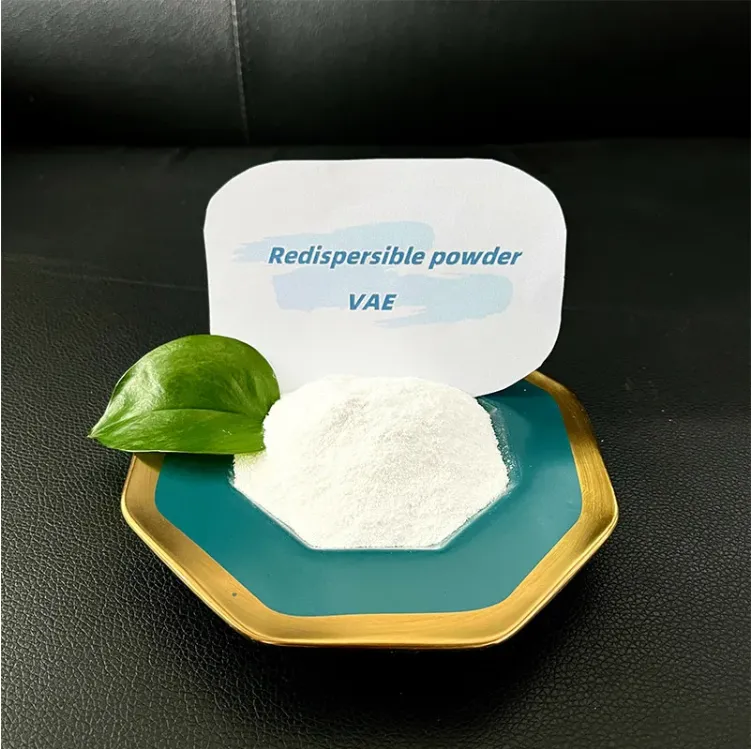 hydroxypropyl_methylcellulose_suppliers
Oct . 25, 2025
Hydroxypropyl methylcellulose (HPMC) is an intriguing compound that has carved its niche in the prod -
 long_glass_fiber_reinforced_polypropylene
Oct . 25, 2025
Hydroxypropyl methylcellulose (HPMC) is increasingly being recognized for its diverse applications i -
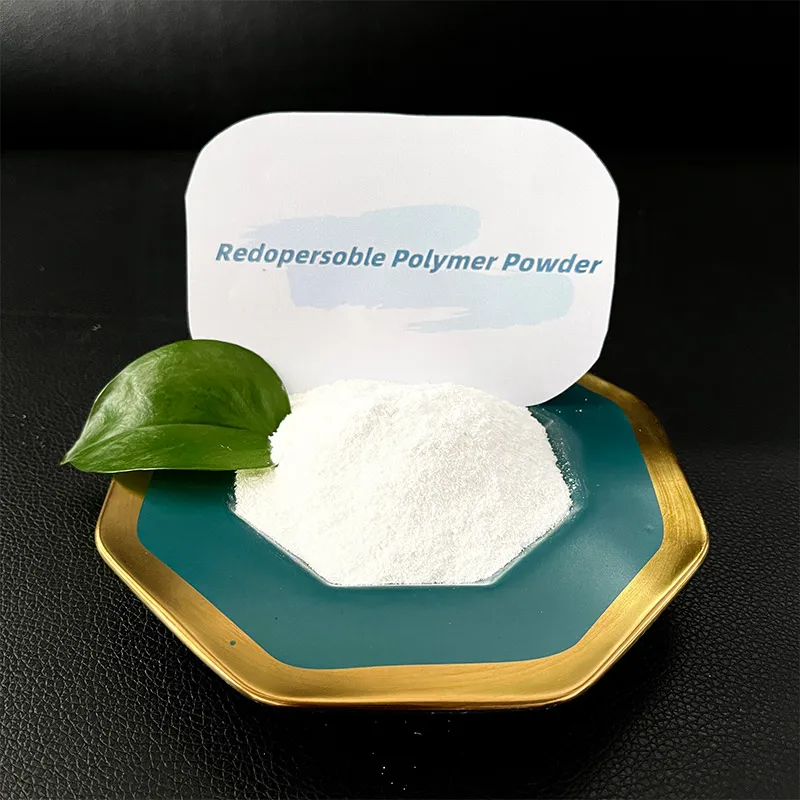 propyl_methyl_cellulose
Oct . 25, 2025
In today’s fast-paced manufacturing and construction industries, the demand for sustainable and cost


